Warlock's magic system was built on game-bending player choices
What the report saysChris Kerr,Senior Editor, News,GameDeveloper.comAugust 28, 20264 Min ReadImage via Invoke StudiosAs a Dungeons & Dragons (D&D) experience, Baldur's Gate 3 just made sense. The smash hit captured the…
What the report says
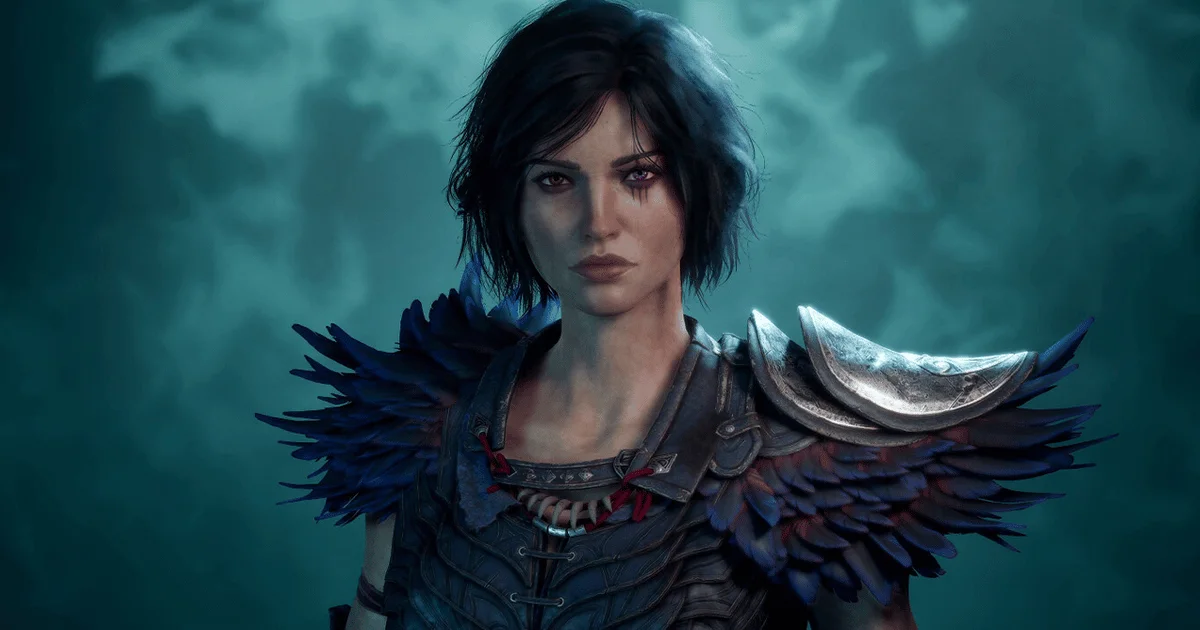
Chris Kerr,Senior Editor, News,GameDeveloper.comAugust 28, 20264 Min ReadImage via Invoke StudiosAs a Dungeons & Dragons (D&D) experience, Baldur's Gate 3 just made sense. The smash hit captured the chaotic energy and vibe of the TTRPG with its perspective and unwavering commitment to the absurd.D&D owner Wizards of the Coast will no doubt be hoping Warlock—another title set within the sprawling fantasy realm—can capture that same audience. That, though, will depend on developer Invoke Studios rising to the challenge of transplanting D&D's beating heart into a single-player action-adventure title that doesn't even whisper the words 'role playing.'For Jeff Hattem, Invoke Studios founder, VP of creative, and veteran Dungeon Master, it was a task that had to be tackled immediately.
"To preserve the heart, you have to know what the heart is. Early on we asked 'what is D&D about? Is it about monsters. About dungeons? Is it about a found party?' We quickly realized we were just listing off stuff—and when you really dig into the core of what D&D is, it's really the game about ultimate player agency," said Hattem.In his mind, there's no other game in the world that can offer as much freedom as the TTRPG. To hammer home that point, he tells me the campaign he's been running with his friends has spanned years and countless sessions—many of which have been spent arguing in taverns.
By virtue of being a single-player, narrative experience, Warlock cannot prioritize boundless choices that might completely derail proceedings. What it can offer, however, is a deep magic system that allows players to stretch the fabric of their reality."We chose to build player agency around magic. it would have been a trap to try and do everything [...] so we focused on the magic and then started really thinking about the systems and how everything was connected," he adds. "We're making a very systemic game around magic, so the way the spells interact with the environment, the weather systems, the monsters, the terrain—it really forced us to change the way we make the game."To ensure the magic system can match the imagination of players, Warlock has been playtested vigorously.

Key details
During those sessions, whenever someone used magic in a way that essentially broke the game, Invoke flags it as a bug in the system—but only so it can turn it into a feature.There is, for instance, a spell that summons eldritch tentacles capable of grabbing objects and creating makeshift platforms. Early in development, one tester started daisy chaining the spell after being granted additional spell slots. That allowed them to start reaching places the designers hadn't envisioned. Rather than nerfing the spell, Invoke instead chose to turn those areas into secret treasure troves.
A reward for those with entrepreneurial flair.As for how Warlock will handle its narrative beats, Hattem explains he doesn't intend to overexpose players. He admits that sometimes, when DMing, he has perhaps been guilty of railroading by sharing too much information instead of leaning on more organic interactions. As someone who's just begun DMing myself, I can relate. It's easy to overshare in an attempt to nudge things along, but when story beats unfold organically, it's far more rewarding. That's the line Invoke is hoping to straddle."We learned to avoid spending time overexposing players to the world building.
We are about the [D&D] brand and the lore. I can really geek out over it, and I love all the little details—I'm like, 'oh this is cool we're in the Domains of Dread and the Dark Lord has escaped and the world is getting ripped apart,'" says Hattem. "That sounds cool to me, but it can feel like I'm shoving it down my players throats. I've been playing D&D my whole life so it's hard to [pull back], but I think we realized it's better to build systems that players can opt into if they care about it.
More from the announcement
It sounds cliché, but having stuff that you can read or conversations you can optionally get into to learn more about the world—that is better than forcing them into cinematics or bombarding with banter from [companion] characters."Scaling for optimal magicWarlock is currently slated for a 2027 launch and commenced production in 2022. At that stage, the studio comprised around 50 employees. It has since scaled to 180. Hattem says a measured expansion allowed the team to establish a clear organizational structure that still offered some flexibility. "As a creative director, I'm not telling the team where to land.
 New 2D Fighter Melty Blood: Twi-Lumina Officially Announced
 This High-Capacity Anker Power Station Is 46% Off Right Now
 Dungeon Crawler Carl's Samantha Returns in New Release Coming November 2026
 From Mario to machine guns: how Ubisoft Paris made Tom Clancy’s Rainbow Six